.jpg)

Why Is the Loom Popular for Women's Ethnic Wear
Why The Loom Is Becoming Every Indian Woman's Go-To Brand for Ethnic Wear
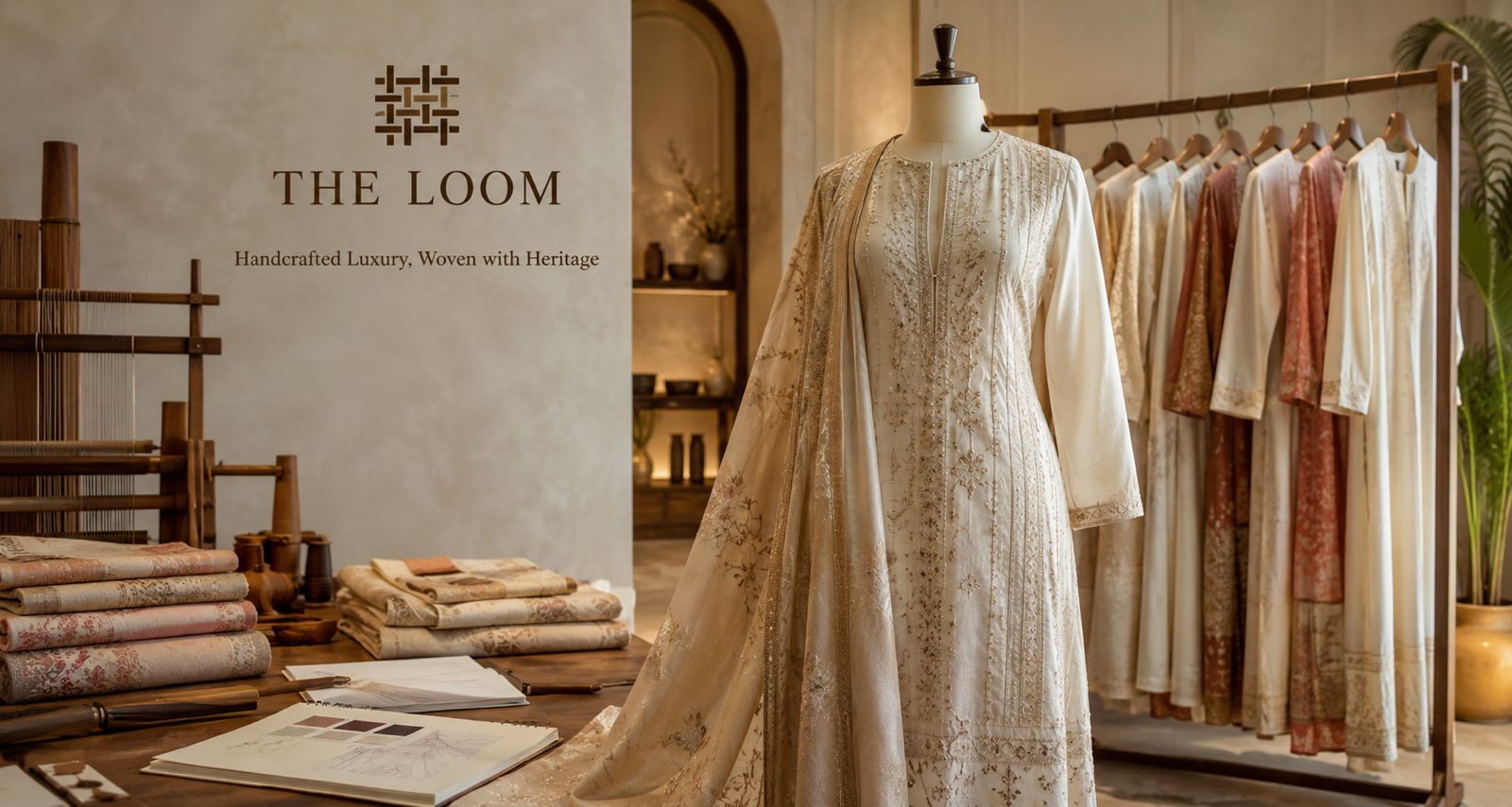
Walk into any Indian wedding, festive gathering, or even a casual Sunday brunch these days, and you'll spot that effortlessly put-together ethnic look that somehow manages to feel both traditional and completely of-the-moment. More often than not, if you ask the woman wearing it where she got it, the answer is The Loom.
But what exactly is it about this brand that's captured the hearts (and wardrobes) of Indian women aged 22 to 45? Is it the handcrafted detailing? A Indian-worthy co-ord set. The fact that you can wear something meaningful without burning a hole in your pocket?
What Is The Loom? A Quick Brand Overview
The Loom is a contemporary ethnic wear brand and online shopping platform based out of Delhi, India. At its core, it offers handcrafted, designer-inspired outfits for modern Indian women sarees, suits, co-ord sets, sharara sets, lehenga sets, and fusion wear that blend traditional artistry with fresh, trending aesthetics.
The brand's philosophy is beautifully simple: To weave a ray of hope into every silhouette. That's not just a tagline. It shows in the way The Loom approaches design drawing from age-old Indian craftsmanship and reimagining it for the woman who wears ethnic wear not just on Diwali but every day.
The Indian Ethnic Wear Market: Why This Moment Matters
Before diving into what makes The Loom stand out, it's worth understanding the landscape it's operating in because the context is remarkable.
Women's ethnic wear currently accounts for 71% of India's total ethnic wear market, which itself is estimated to be worth over $20 billion. The Indian ethnic wear segment is growing at a CAGR of over 12%, and by 2035, it's projected to cross $700 billion globally. Festivals, weddings (the Indian wedding market alone is valued at $50 billion annually), and the rising pride in Indian cultural identity are all fueling this surge.
Reasons Why The Loom Is So Popular for Women's Ethnic Wear
1. Handcrafted Quality That You Can Actually Feel
In an era of fast fashion and mass-produced everything, The Loom is deliberately old-school in the best way. Every piece in their collection is crafted by skilled artisans using techniques that have been passed down through generations hand embroidery, block printing, traditional weaving, and intricate thread work.
When you hold a The Loom kurta or dupatta, the difference is immediate. The fabric has weight. The stitching has intention. The embellishments whether it's delicate gota work, mirror detailing, or hand-block prints sit on the fabric like they belong there, not like they were glued on in a factory at 3 a.m.
2. Fabrics That Make Sense for the Indian Climate
Cotton, mulmul, linen, chanderi, khadi, silk, georgette, crepe. The Loom works with fabrics that have an organic relationship with the Indian body and the Indian weather. Their cotton mulmul co-ord sets, for instance, have become something of a cult favourite breathable enough for Delhi summers, elegant enough for an evening event.
For working professionals, this is a game-changer. You can wear a The Loom cotton kurta set to the office at 9 a.m. and look polished at a colleague's engagement by 7 p.m. without changing or sweating through the day.
3. Co-Ord Sets That Redefined Ethnic Dressing
If you want to understand one product category that catapulted The Loom into mainstream popularity, it's their co-ord sets. The brand was among the early movers in adapting the global co-ord trend to ethnic wear and they did it brilliantly.
The Loom co-ord set typically pairs a kurta or top with matching palazzo pants, cigarette pants, or a skirt in the same fabric, print, or colour family, with coordinating embellishments. It removes the styling guesswork entirely. You open the package, put it on, and look like you've got your life together.
For women who love ethnic wear but don't always have time to mix and match, co-ord sets are a revelation. The Loom's range covers everything from casual cotton prints for everyday wear to heavily embroidered sets for weddings and festivals.
4. A Design Aesthetic That's Trend-Aware but Timeless
Here's where The Loom truly earns its reputation among women with discerning taste. The brand doesn't chase trends blindly. Instead, it takes the best of what's current. Pantone colour stories, silhouette trends from runway ethnic fashion, the resurgence of handloom textiles and filters it through a timeless Indian sensibility.
The 2025–26 collection is a good example. Lehenga sets got a modern update with contemporary cuts and lighter fabrics. Sharara sets were reimagined with clean lines and versatile styling options. Saree sets were presented with pre-stitched blouses and curated accessories making the drape-averse finally curious.
5. Price Points That Don't Demand a Loan
Premium ethnic wear in India has long been synonymous with unaffordable pricing. Designer pieces from legacy names can run into five or six figures beautiful, but out of reach for most.
The Loom occupies a smart middle ground. It's not fast fashion, but it's not an intimidating luxury either. You get handcrafted quality, premium fabrics, and thoughtful design at a price that a working professional or a college student saving up for a wedding outfit can genuinely consider. This democratisation of good ethnic wear is a significant reason why the brand resonates across age groups and income brackets.
6. Sustainability and Ethical Practices That Matter
Today's Indian women particularly women in the 25–35 age bracket are more conscious about where her clothes come from. The Loom leans into this honestly. The brand works with local artisans, prioritises sustainable and eco-friendly fabrics, and follows fair trade and ethical production practices.
This isn't greenwashing. When you buy a The Loom piece, you're supporting a chain of craftspeople, weavers, embroiderers, printers who are keeping traditional Indian textile arts alive. That story matters to buyers, and it matters to the artisans too.
7. A Seamless Online Shopping Experience
The Loom operates primarily as an online brand, and the shopping experience reflects genuine investment. The website (theloom.in) is clean, well-organised, and easy to navigate by category, occasion, fabric, or collection. Product photography is detailed, with close-up shots that show embroidery and texture clearly. Return policies are transparent.
For women who've been burned by online ethnic wear purchases that looked nothing like the photos, The Loom's consistency between what you see and what you receive is genuinely refreshing.
The Loom Collection 2026: What's New and What's Worth It
The 2026 collection from The Loom continues the brand's signature blend of tradition and modernity, with a few standout categories:
Co-Ord Sets for Every Occasion
From the off-white checkered cotton mulmul co-ord set (a bestseller for casual and work wear) to more embellished sets for festive occasions, this range covers the full spectrum.
Luxe Collection - When You Want to Dress Up
The Luxe Collection features fabrics like silk, chanderi, tussar, velvet, and georgette, all handwoven and finished with intricate detailing. This is The Loom's answer to premium occasion wear and it holds its own against much pricier competitors.
Lehenga and Sharara Sets for Weddings
The wedding wear range has been a major focus this season, with lehenga sets that combine traditional volume with lighter, more comfortable construction ideal for women who want the lehenga look without feeling like they're wearing a parachute.
The Loom vs. Other Premium Ethnic Wear Brands
|
Brand |
Price Range |
Handcrafted |
Online Presence |
Best For |
|
The Loom |
₹1,500–₹8,000 |
Yes |
Excellent |
Everyday to festive, value-conscious buyers |
|
Fabindia |
₹1,000–₹6,000 |
Partially |
Good |
Handloom fabrics, organic wear |
|
W for Woman |
₹800–₹4,000 |
Minimal |
Excellent |
Fusion and Indo-western wear |
|
Biba |
₹900–₹5,000 |
Minimal |
Excellent |
Mass-market ethnic kurtas |
|
Anita Dongre |
₹5,000–₹50,000+ |
Yes |
Moderate |
Luxury, wedding wear |
The Loom's sweet spot: Handcrafted quality at accessible price points, with a stronger design sensibility than mass-market brands and a more approachable price than luxury labels.
What Most Brands Get Wrong (And The Loom Gets Right)
Here's an insider angle that most brand comparisons miss: the biggest frustration Indian women have with ethnic wear brands is inconsistency. A brand launches a stunning collection, you fall in love with it, and then six months later the quality dips, the designs get repetitive, and the magic is gone.
The Loom has managed to maintain its design identity across collections which is harder than it sounds. The core values (handcrafted, breathable fabrics, accessible luxury, artisan-forward) show up consistently in every drop.
Three things The Loom does that competitors often don't:
Curates accessory pairings: The brand often suggests jewellery and potli bags that complement specific outfits, making it easier for buyers to complete the look.
Seasonal intentionality: Every collection is designed with the actual Indian calendar in mind (summer heat, festive season, wedding season) rather than generic "spring/summer" templates.
Size inclusivity: The collection caters to a range of body types, an area where many premium ethnic brands still fall short.
Styling Tips: Getting the Most Out of Your The Loom Purchase
For work wear: Pair a cotton kurta set with block-heeled sandals and a structured tote. Keep accessories minimal, small gold hoops and a watch work perfectly.
For festive occasions: Layer a chanderi dupatta from the Luxe Collection over a co-ord set for an elevated festival look without the fuss of a full lehenga.
For weddings (as a guest): The sharara sets from the 2025–26 collection hit a perfect balance formal enough for the ceremony, comfortable enough to actually dance at the reception.
For college: Cotton co-ord sets in printed or block-dyed fabrics are easy, breezy, and infinitely more stylish than standard kurta-jeans combinations.
Final Thoughts: Should You Shop The Loom?
At trendzyvibe, we cover fashion that genuinely deserves attention, not just brands with big marketing budgets. The Loom earns its mention here because it solves a real problem: finding ethnic wear that is handcrafted, beautiful, seasonally appropriate, and actually affordable.
For women aged 22–45 looking for ethnic wear that works across occasions from Monday mornings to Saturday shaadis.The Loom is one of the most well-rounded options in the Indian market right now. It's not perfect (sizing can occasionally run inconsistent, and some premium pieces sell out fast), but the overall value proposition is strong.
Start with their co-ord sets if you're new to the brand. They're the entry point that made The Loom popular for good reason and once you've worn one, you'll understand exactly why the brand has such a loyal following.
Frequently Asked Questions About The Loom
Q1. What type of clothing does The Loom sell?
The Loom specialises in women's ethnic wear including co-ord sets, kurta sets, saree sets, lehenga sets, sharara sets, and fusion wear. The brand is known for handcrafted pieces made from natural fabrics like cotton, mulmul, chanderi, and silk.
Q2. Is The Loom an affordable ethnic wear brand?
Yes, The Loom occupies a mid-premium price segment in India. Most pieces range from ₹1,500 to ₹8,000, making it accessible for working professionals and students who want handcrafted quality without designer pricing.
Q3. Are The Loom co-ord sets good for daily wear?
Absolutely. The cotton and mulmul co-ord sets from The Loom are specifically designed for Indian weather and daily comfort. They're breathable, easy to style, and versatile enough for office, casual outings, and semi-formal events.
Q4. Does The Loom use sustainable practices?
Yes. The Loom is committed to sustainability through the use of eco-friendly fabrics, ethical production, and supporting local artisans and traditional textile crafts. The brand follows fair trade practices in its supply chain.
Q5. How does The Loom compare to brands like Fabindia or Biba?
The Loom sits closer to Fabindia in terms of handcraft focus and quality, but with a stronger emphasis on contemporary design and trend-aware collections. Compared to Biba (which is more mass-market), The Loom offers more artisanal quality and design depth at a slightly higher but still accessible price point.
Leave a Reply
Your email address will not be published. Required fields are marked *